
No products in the cart.


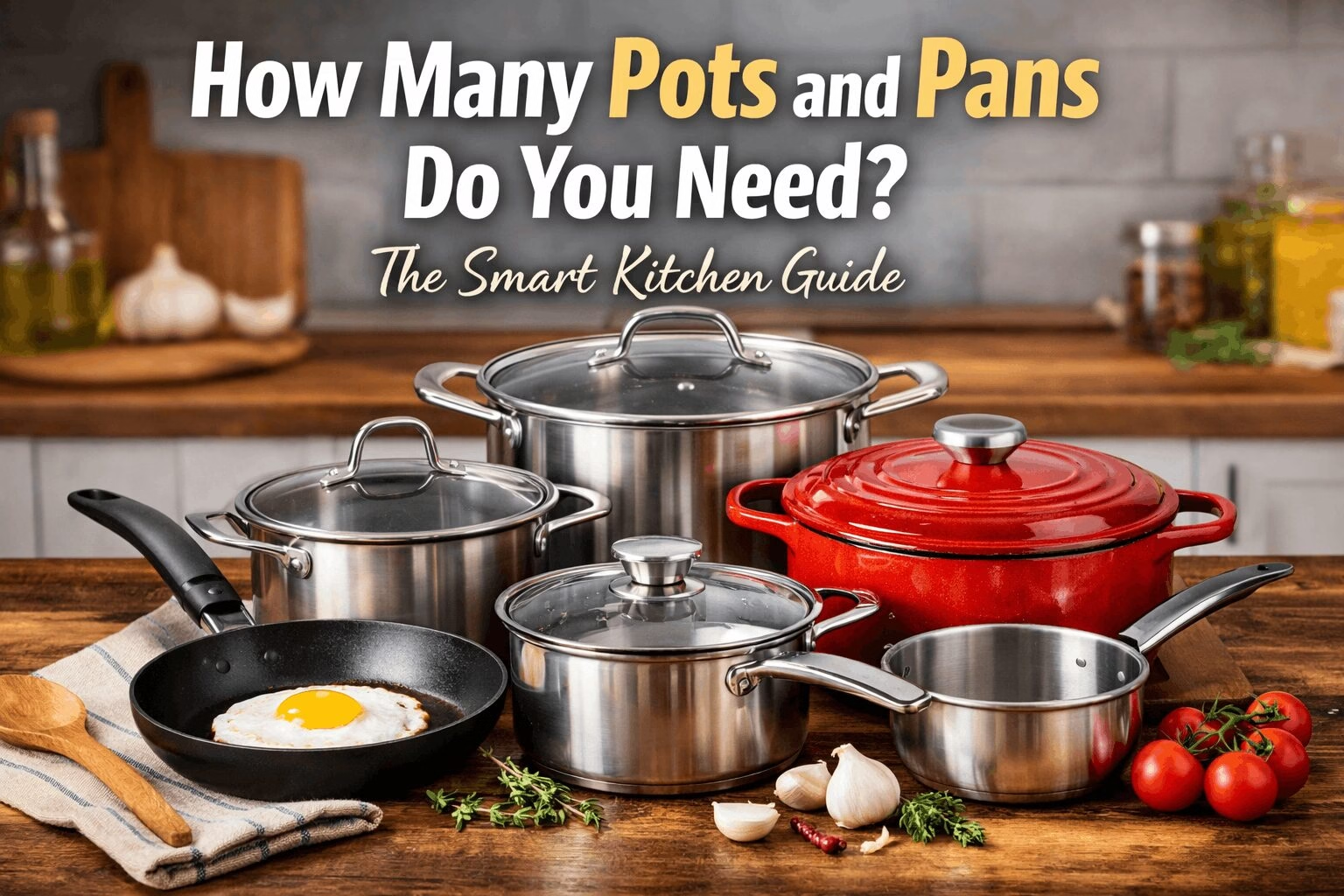
Many people assume a well-equipped kitchen needs a huge cookware set. In reality, the answer to how many pots and pans do you need is much simpler. Most home cooks do not need a cabinet full of rarely used pieces. They need a small collection of reliable cookware that covers everyday meals well.
That is why cookware experts often recommend building a kitchen around a few essentials instead of buying oversized sets. For most households, 5 to 7 essential pots and pans are enough for daily cooking. That number can go slightly up or down depending on family size, cooking habits, and kitchen space, but for the average home, a minimal cookware setup is usually the smartest choice.
The Short Answer: How Many Pots and Pans Does a Kitchen Need?
A practical kitchen usually needs:
- 1 nonstick frying pan
- 1 stainless steel skillet or sauté pan
- 1 small saucepan
- 1 medium saucepan
- 1 stockpot or Dutch oven
That basic setup covers eggs, sauces, rice, soups, pasta, sautéed vegetables, curries, stews, and one-pan meals. So if someone asks, “How many pans do you really need?” the most honest answer is: enough to cook comfortably, but not so many that they create clutter.
Why Most People Buy Too Many Pots and Pans
Large cookware sets look appealing because they seem like a complete solution. The problem is that many sets include duplicate sizes or specialty pieces that rarely get used. Over time, those extras take up storage space and make the kitchen feel crowded.
That is why so many modern cookware buying guides now recommend choosing cookware based on function rather than piece count.
A smaller cookware collection usually means:
- less clutter
- easier storage
- better value for money
- more frequent use of every item
- a more organised kitchen
The 5 Essential Pots and Pans Every Kitchen Should Have
1. Nonstick Frying Pan
A nonstick frying pan is one of the most useful pieces of cookware in any kitchen. It works well for eggs, pancakes, grilled sandwiches, fish, and quick breakfasts. It is especially helpful for beginners because it is easy to manage and easy to wash.
A good nonstick pan handles delicate foods better than many other materials. It is often the first pan reached for in everyday cooking, which is why it belongs on every basic pots-and-pans-for-kitchen list.
2. Stainless Steel Skillet or Sauté Pan
If the nonstick pan handles delicate foods, the stainless steel skillet handles high-heat jobs. It is ideal for browning meat, sautéing vegetables, building pan sauces, and getting a better sear.
A sauté pan is also a strong option because its higher sides make it better for one-pan meals and dishes with sauces.
3. Small Saucepan
A small saucepan is perfect for reheating soup, warming milk, making tea, boiling eggs, preparing oatmeal, or cooking small amounts of rice or sauce. It is one of those items people use more than they expect.
For solo cooks or couples, this piece is especially important because it keeps portions manageable and prevents overuse of larger cookware.
4. Medium Saucepan
A medium saucepan gives the kitchen more flexibility. It can handle pasta for one or two people, lentils, sauces, mashed potatoes, and side dishes. If a kitchen only has one saucepan, it should usually be a medium-sized one. Having both a small and a medium saucepan makes daily cooking much easier.
5. Stockpot or Dutch Oven
A stockpot or Dutch oven is essential for larger meals. It is used for soups, curry, pasta, broth, biryani, stews, and batch cooking. If storage space is limited, many cooks choose one or the other. If space allows, both can be useful.
Is the 5-Piece Rule Enough for Every Kitchen?
For many households, yes. A 5-piece setup handles most everyday meals. That is why minimalist cookware advice remains popular: it reflects how people actually cook. Still, not every kitchen is the same. Some households may benefit from 6 or 7 pieces instead of 5.
For example:
- A family may want both a stockpot and a Dutch oven.
- A frequent cook may want two frying pans in different sizes.
- Someone who cooks stir-fry often may want a wok.
- A baker may want oven-safe cast iron.
This is where kitchen cookware essentials become personal. The right number depends on lifestyle, not marketing.
How to Decide How Many Pots and Pans You Need
Household Size
Someone cooking for one person does not need the same cookware as someone cooking for a family of five. Smaller households usually need fewer, smaller pieces, while larger families benefit from larger pots and greater flexibility.
Cooking Frequency
A person who cooks once or twice a week can work with a minimalist cookware set. Someone who cooks every day may want an extra skillet or saucepan to avoid constantly washing cookware between meals.
Cooking Style
Different cooking styles call for different tools. A home that cooks soups, pasta, and curries often will prioritise pots. A home that makes eggs, stir-fries, and pan-seared meals will rely more on pans.
Storage Space
This is one of the most overlooked factors. Even the best cookware becomes annoying if it does not fit the kitchen. Smaller kitchens benefit from stackable, nesting, or multi-purpose cookware.
What Materials Work Best for Essential Pots and Pans?
Material matters because it affects heat performance, durability, and maintenance.
Nonstick
Best for eggs, fish, and delicate foods. Easy to clean, but it usually doesn’t last as long as stainless steel or cast iron.
Stainless Steel
A strong all-round option for searing, sautéing, and sauce-making. Durable and versatile for everyday cooking.
Cast Iron
Excellent for heat retention and oven use. Great for browning and baking, but heavier to handle.
Dutch Oven
Ideal for braising, slow cooking, soups, and one-pot meals. It is one of the most versatile pieces in a serious home kitchen.
The Best Minimal Cookware Setup for Most Homes
For the average home cook, the best minimal cookware set looks like this:
- 10- or 12-inch nonstick frying pan
- 10- or 12-inch stainless steel skillet
- 2-quart saucepan
- 3- to 4-quart saucepan
- 6- to 8-quart stockpot or 5- to 6-quart Dutch oven
This setup is realistic, space-efficient, and flexible. It gives most kitchens everything needed for daily cooking without overcrowding shelves and cabinets.
Conclusion:
So, how many pots and pans do you need?
For most people, the answer is 5 to 7 versatile pieces. That is enough to cover daily cooking without wasting money or overcrowding cabinets. Instead of chasing huge cookware sets, the smarter strategy is to choose high-quality essentials that match the way the kitchen is actually used. A well-planned cookware collection does not need to be big. It just needs to be useful.